Restoring stability, trust, predictability: private sector’s roadmap for Iran’s economy
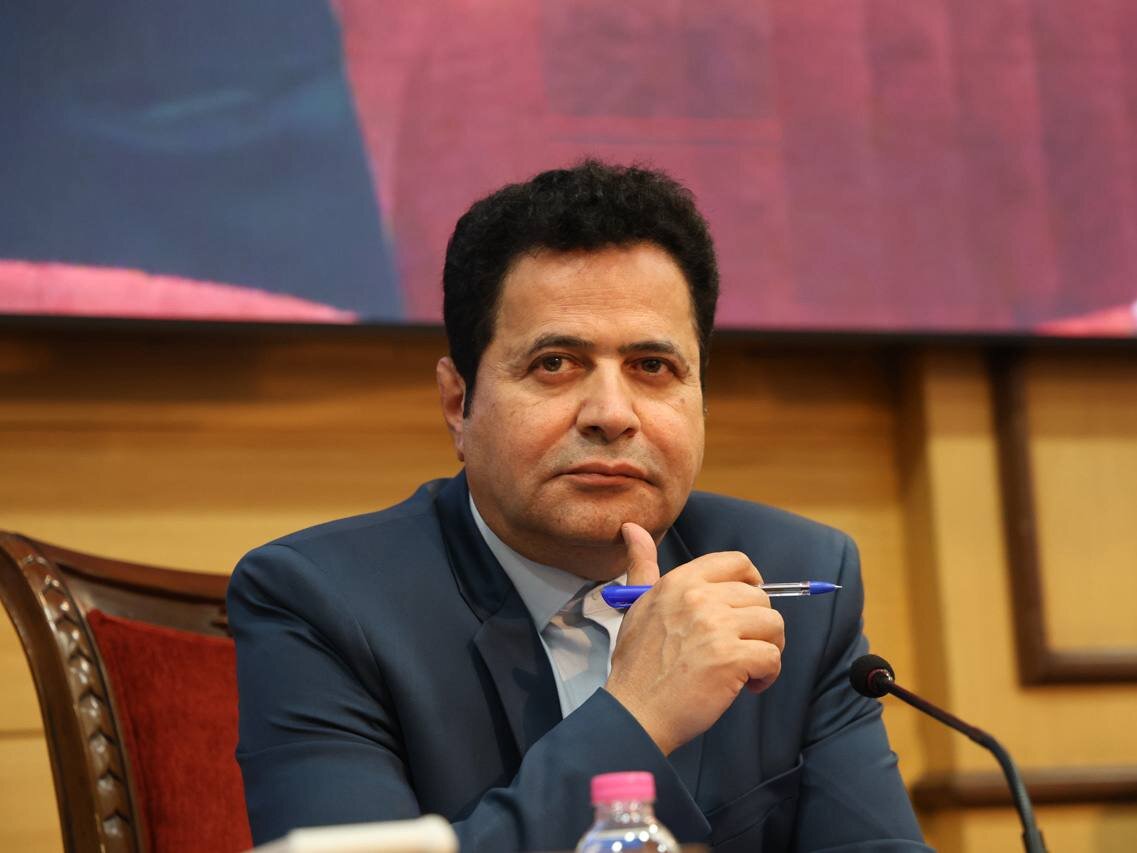
TEHRAN- Hossein Pirmoazen, the vice chairman of Iran Chamber of Commerce, Industries, Mines and Agriculture (ICCIMA) emphasizes in a note that restoring stability, trust, and predictability to the economy provides the basis for returning capital to production, increasing employment, and strengthening hope in society.
In conditions where society faces rising forex rates, high prices, declining purchasing power, concern about the future, and anxiety caused by regional developments, the issue of the economy is not limited to economic indicators alone; rather, trust and hope for the future also rank among the country’s most important assets.
An economic actor only invests when they can predict the future to some extent. The producer must know how the cost of raw materials, foreign exchange, energy, taxes, and financing will be. The investor must be confident that their decision today will not be nullified by a sudden change in policies.
In such conditions, severe exchange rate fluctuations and rising production costs have made planning difficult for firms and drive part of capital toward short-term and unproductive activities. On the other hand, concerns arising from regional tensions also affect economic decision-making and the public psyche.
For this reason, one of the most important needs of Iran’s economy at present is restoring stability and predictability to the business environment.
To overcome these conditions, several necessary actions seem essential:
First: Creating greater stability and transparency in the foreign exchange market and providing the possibility of planning for exporters and importers.
Second: Practical support for production and investment through reducing redundant regulations, facilitating financing, and avoiding sudden decisions and directives.
Third: Serious attention to people’s purchasing power; because a decline in purchasing power, in addition to putting pressure on households, directly affects the sales and production of economic firms.
Fourth: Activating investment and development projects across the country. Implementing real projects, creating employment, and bringing capital into the production sector can simultaneously contribute to economic growth and increasing social hope.
Fifth: Strengthening dialogue between the government and the private sector. Chambers of commerce, industries, mines and agriculture, and economic organizations must have an effective role in economic decision-making so that policies are aligned with the realities of the business environment.
Iran possesses significant capacities in the fields of energy, agriculture, industry, tourism, human resources, and geographical location. The main challenge is how these capacities can be converted into investment, production, employment, and public welfare.
Today’s society, more than grand promises, needs real signs of stability and hope: a factory that expands, a project that begins, an investment that confidently brings its capital into production, and an entrepreneur who can plan for next year.
Ultimately, the most important demand of the private sector and the country’s economic community may be a simple sentence:
Let us allow the people and economic actors to predict the future.
The return of stability, trust, and predictability to the economy will provide the basis for the return of capital to production, increased employment, and strengthened hope in society.
MA
Leave a Comment